
What Is Masonry Work? Types, Costs & Services Explained
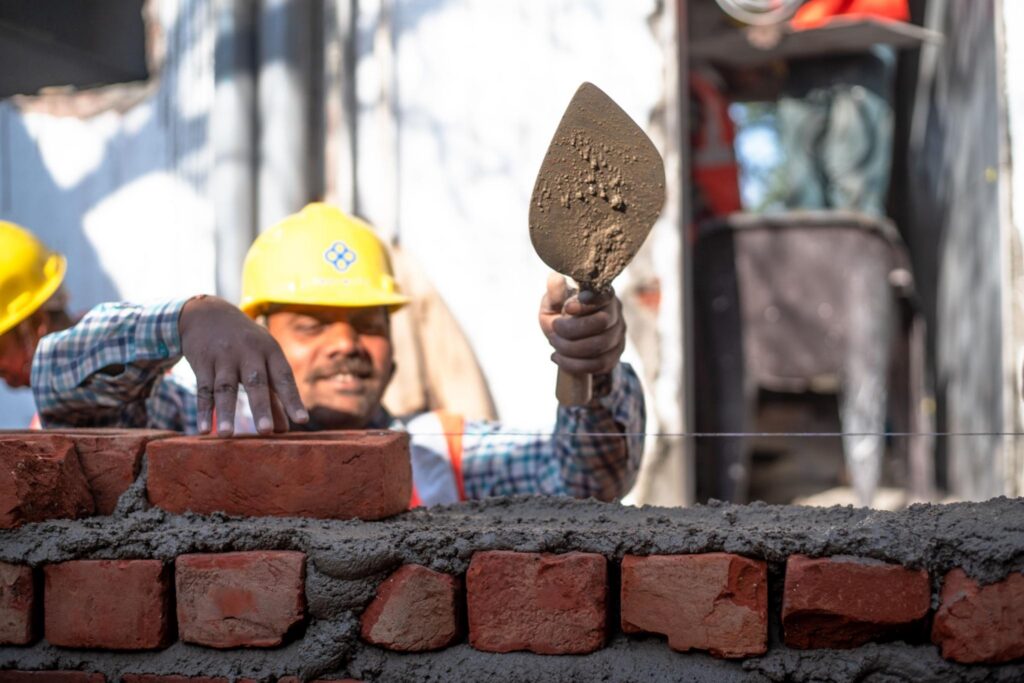
One cracked brick can turn into a leaking wall. A leaning retaining wall can become a safety issue. That’s why it helps to understand masonry work before you hire anyone or decide a repair can wait.
Most people picture a bricklayer when they hear “masonry,” but the trade covers much more. Masonry contractors build and repair walls, columns, outdoor kitchens, and retaining walls. They work in brick, stone, concrete block, and a range of exterior finishes, and the work can be structural or purely decorative.
This guide explains what masonry work includes, how the main materials compare, what typical projects cost, and how to tell when something needs repair rather than replacement.
In this guide:
- What Is Masonry Work?
- What Does a Masonry Contractor Do?
- The Main Types of Masonry Work
- Brick vs. Stone vs. Block Masonry
- Residential vs. Commercial Masonry
- Common Masonry Services
- How Much Does Masonry Work Cost?
- Repair vs. Replacement
- Signs You Need Masonry Repair
- How to Choose Local Masonry Companies
- FAQs
What Is Masonry Work?
Masonry work is the construction, repair, and restoration of structures built from brick, stone or concrete block laid in mortar. Most masonry contractors also handle related concrete, veneer and exterior finish work.
Traditional masonry is built from individual units. Each brick, stone or block is set by hand and bonded to the next with mortar. That method produces walls, columns, retaining walls, fireplaces, outdoor kitchens and decorative features that can last for generations.
A masonry contractor might build a new brick feature wall, rebuild a leaning mailbox column, restore a weathered stone facade or stain faded brick to give a home a new look. Many contractors also install stucco and EIFS exterior systems. Those aren’t masonry in the strict sense, but they’re closely related work.
What Does a Masonry Contractor Do?
A masonry contractor builds, repairs and restores masonry so that it stays structurally sound, keeps water out and matches the rest of the property.
The job starts long before the first brick is laid. An experienced contractor inspects the structure, works out what’s causing the damage, recommends a repair approach and chooses materials that match the existing construction. On older buildings, matching the mortar is often as important as matching the brick color.
A typical masonry contractor may:
- Inspect cracks to determine whether they’re cosmetic or structural.
- Replace damaged brick or stone without disturbing the surrounding areas.
- Mix mortar that’s compatible with the existing wall.
- Rebuild unstable sections such as leaning columns or walls.
- Build new masonry features for homes and commercial properties.
- Improve drainage around masonry to reduce future damage.
Good masonry work protects a building from water getting in, keeps it structurally stable and preserves its curb appeal.
The Main Types of Masonry Work
Different materials suit different projects. The right choice depends on the structure, where it sits, how it should look and the budget.
Brick Masonry
Brick masonry uses fired clay bricks set in mortar. It’s common for exterior walls, columns, mailboxes, entryways, garden walls and fireplaces. Individual damaged bricks can often be replaced without rebuilding the whole wall, which keeps repairs manageable. Learn more about our brickwork.
Stone Masonry
Stone masonry uses natural materials such as limestone, granite and fieldstone. It’s valued for its durability and natural look, and it shows up in retaining walls, fireplaces, facades, outdoor kitchens and landscape features. Stone usually costs more than brick but needs very little maintenance once it’s installed. See our custom stone work.
Block Masonry (CMU)
Concrete masonry units, usually called CMU or concrete block, are used where structure and efficiency matter most. You’ll find them in foundations, commercial buildings, schools, warehouses and the backup walls behind brick or stone facades. Block walls can be reinforced with steel rebar and grout for extra strength.
Concrete Work
Concrete isn’t laid unit by unit like brick or block, but most masonry contractors work with it regularly. It’s used for slabs, walkways, steps and structural walls, and it can also be finished to change its look. Concrete staining, for example, adds color and depth to plain gray surfaces. Explore our concrete staining.
Brick and Stone Veneer
Veneer gives you the look of masonry without a full structural masonry wall. It’s a single outer layer of brick or stone attached to a structural wall behind it. Many modern brick homes are actually brick veneer over a wood or steel frame. Veneer depends on proper flashing, weep holes and a drainage gap to protect the wall behind it.
Stucco and EIFS
Stucco and EIFS both create clean, seamless exterior finishes, but they’re built differently.
- Traditional stucco is a cement-based finish applied in multiple coats over lath or masonry.
- EIFS (Exterior Insulation and Finish System) layers rigid insulation board, a mesh-reinforced base coat and a finish coat. It adds insulation to the wall while giving a smooth, modern appearance.
The two can look alike from the street, but they perform differently and need different repair methods.
Brick vs. Stone vs. Block Masonry
The choice between brick, stone and block comes down to the job the material has to do, the look you want, maintenance expectations and budget.
| Material | Best For | Typical Role | Maintenance |
|---|---|---|---|
| Brick | Homes, columns, garden walls | Structural or facing | Low |
| Stone | Premium facades, retaining walls, outdoor kitchens | Structural or facing | Low |
| Block (CMU) | Foundations, commercial buildings, backup walls | Structural | Low |
| Concrete | Slabs, walkways, structural walls | Structural or flatwork | Moderate |
| Veneer | Home exteriors, fireplaces, accent walls | Decorative, non-structural | Low |
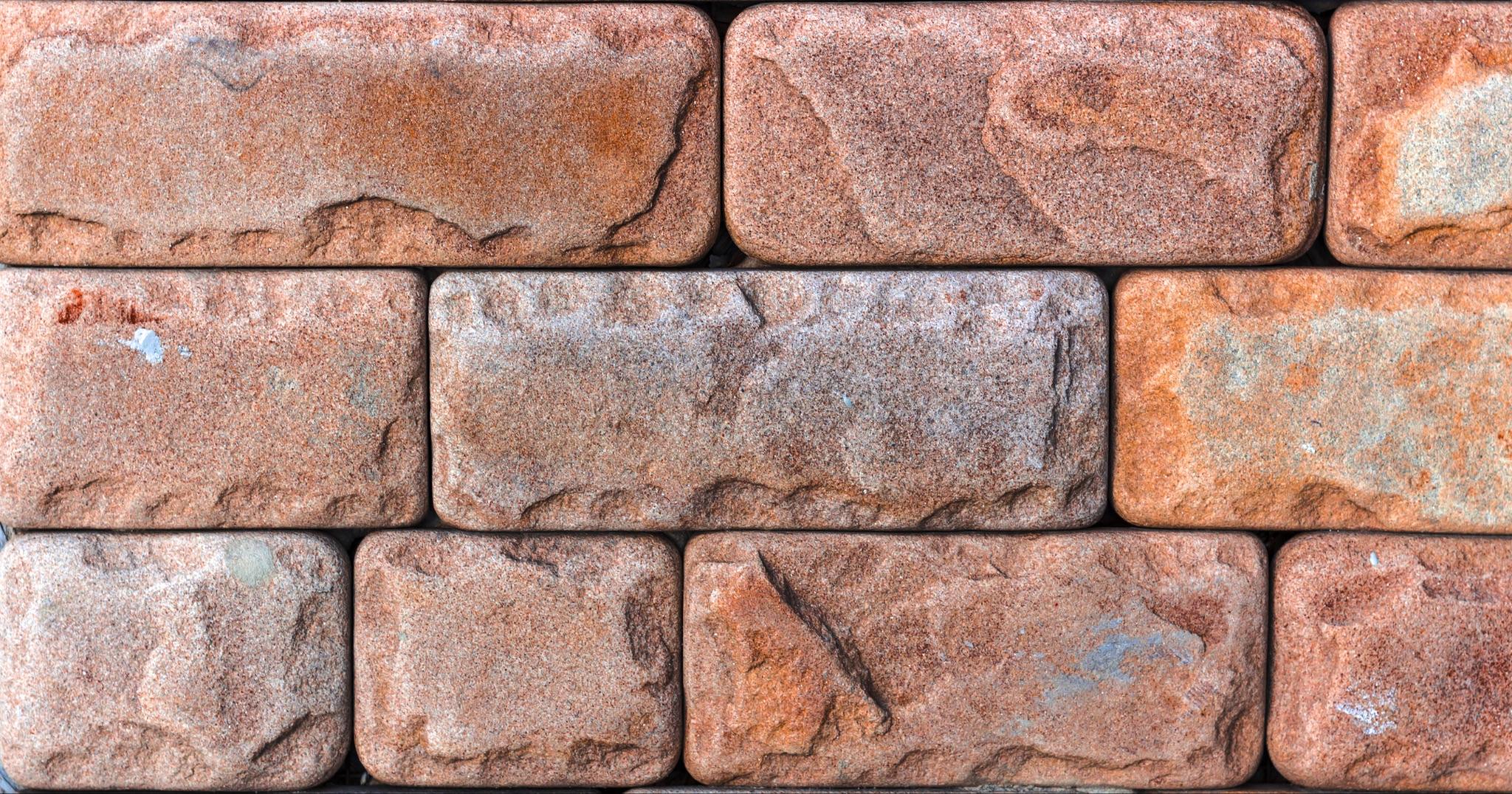
Brick balances cost, durability and a classic look. Stone costs more but looks premium and lasts. CMU does heavy structural work efficiently, especially on larger buildings. Concrete handles flat surfaces and walls. Veneer is purely about appearance.
Residential vs. Commercial Masonry
Homes and commercial buildings use the same core materials, but the projects look different. Residential work leans toward appearance and outdoor living. Commercial work puts more weight on structure, building codes and long-term performance.
Residential Masonry
Residential masonry can improve how a home looks and works, and it can add value. Common projects include brick and stone repairs, mailbox columns, retaining walls, outdoor kitchens, fireplaces and brick staining. Homeowners want masonry that looks good and holds up to everyday use and North Texas weather. See our residential masonry services.
Commercial Masonry
Commercial masonry focuses on structural requirements, code compliance and durability. Projects range from retail centers and office buildings to multifamily properties and utility sites. Larger jobs often mean coordinating with architects, engineers, general contractors and inspectors. See our commercial masonry services.
Builders and general contractors who need a reliable masonry subcontractor can see how we work with builders.
Common Masonry Services
Many people look for local masonry companies because they’ve noticed a problem or want to upgrade a specific feature, not because they’re planning a full build. These are some of the most common requests.
Retaining Walls
Retaining walls do more than shape a landscape. They hold back soil, manage drainage and protect nearby structures from erosion. Common materials include natural stone, brick, concrete block and poured concrete. Proper drainage behind the wall matters as much as the wall itself: water pressure building up behind a wall is one of the main reasons walls lean or fail. Learn about our retaining walls.
Mailbox Repair and Construction
Brick and stone mailbox columns take hits from cars, settling soil and years of weather. Repairs range from replacing a few bricks to rebuilding a leaning column from the base. A good contractor matches the existing brick or stone so the repair blends in. See our mailbox repair services.
Outdoor Kitchens
Brick and stone outdoor kitchens have become one of the most popular backyard projects. Masonry holds up to heat, weather and heavy use far better than most prefabricated units, and it can be designed to match the home’s exterior. Explore our outdoor kitchens.
Brick and Concrete Staining
Staining changes the color of brick or concrete without painting it. Unlike paint, a good masonry stain soaks into the surface instead of sitting on top of it, so it won’t peel. It’s a common way to update dated brick, blend repaired sections with the original wall or add color to plain concrete. Learn about brick staining and concrete staining.
Precast Panel Enclosures
Utility equipment, gas meters and commercial service areas often need a permanent, finished-looking screen. Precast concrete panel enclosures are made off-site to exact dimensions and then set in place. Compared with chain-link fencing, they install quickly and hold up for years without rusting or sagging. See our precast panel enclosures.
How Much Does Masonry Work Cost?
Cost depends on labor, materials, access, project size and how complex the structure is. The ranges below are national averages for 2026. Actual prices vary by region, material choice and site conditions.
| Project | Typical Cost Range |
|---|---|
| Brick repair | $250–$1,500 |
| Tuckpointing | $8–$25 per sq. ft. |
| Chimney repair | $300–$4,000+ |
| Retaining wall | $30–$100 per sq. ft. |
| Stone veneer | $20–$60 per sq. ft. |
| Brick veneer | $10–$35 per sq. ft. |
| Concrete patio | $6–$20 per sq. ft. |
Custom stonework, structural rebuilds and walls over 4 feet tall usually land at the higher end. Taller retaining walls often need engineering and permits.
Repair vs. Replacement: How to Tell the Difference
Homeowners often ask whether damaged masonry needs a repair or a full rebuild. The answer depends on how far the damage goes and what caused it.
Repair is usually enough when the problem is limited to crumbling mortar, a few cracked or loose bricks or small weathered areas. If the structure is still stable and the damage hasn’t reached deeper into the wall, a targeted repair can often restore both its look and its performance.
Replacement becomes more likely when the damage is extensive. Signs include:
- a wall or column that visibly leans
- a section that has partly collapsed
- widespread cracking caused by movement
- water damage that has weakened the structure
It’s also likely when earlier repairs keep failing, which usually means the underlying cause was never fixed.
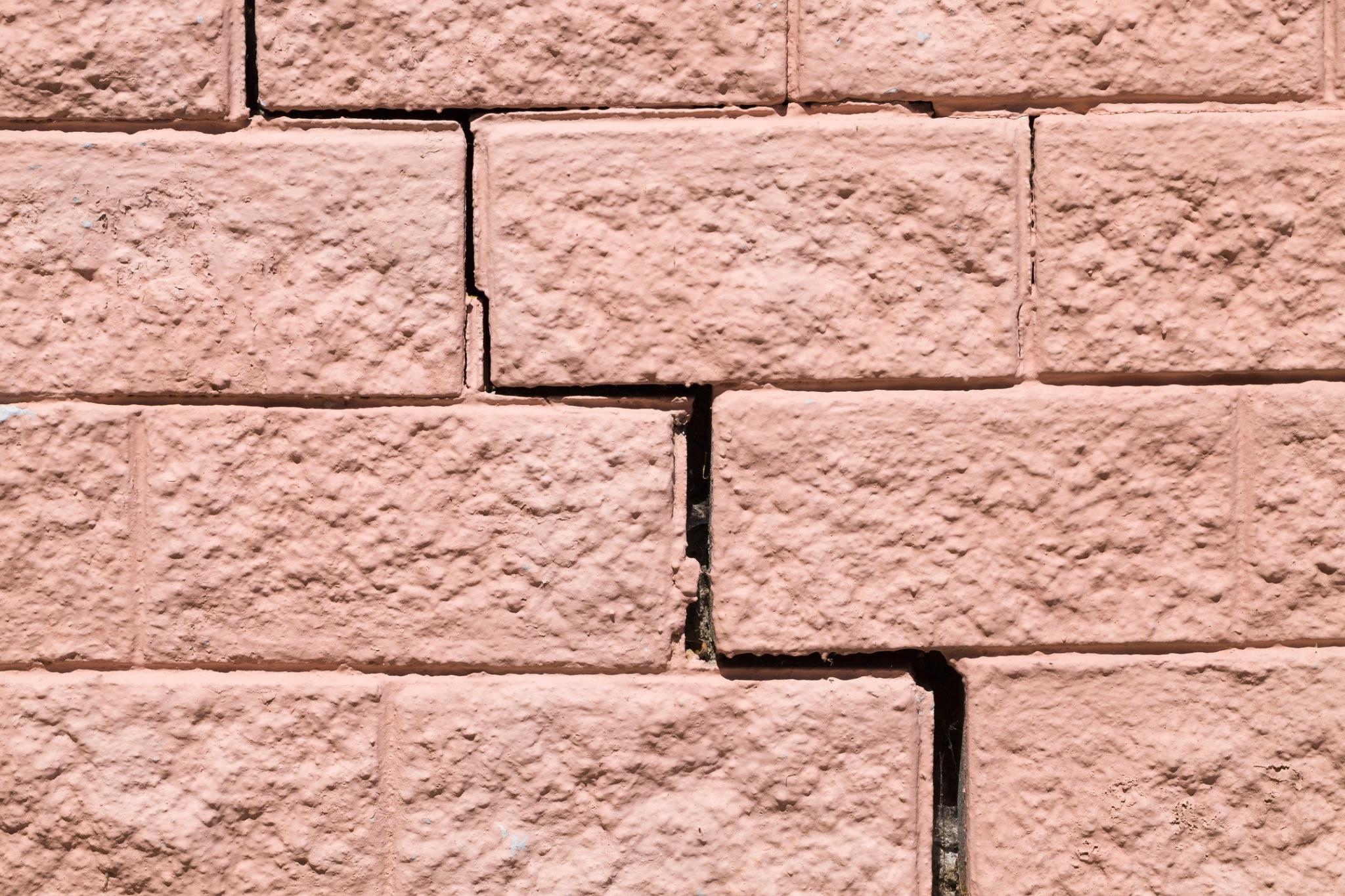
In North Texas, that underlying cause is often the soil. Much of the region sits on expansive clay that swells when wet and shrinks when dry. The movement can crack masonry, especially in the stair-step pattern that follows mortar joints. Patching those cracks without dealing with the movement behind them rarely lasts.
A professional inspection helps you decide which option makes the most sense, structurally and financially.
Signs You Need Masonry Repair
Most masonry problems start small. Watch for:
- Cracked or crumbling mortar joints
- Loose or missing bricks or stones
- Stair-step cracks along mortar joints
- Bulging or leaning walls and columns
- Water leaking through masonry
- Spalling, where the face of the brick or stone flakes or pops off
- Efflorescence, a white powdery residue. It isn’t damage on its own, but it’s a sign that water is moving through the wall.
Dealing with these early usually prevents much bigger repairs later.
How to Choose Local Masonry Companies
Choosing a contractor isn’t only about comparing prices. Look for a company that:
- Has experience with your specific material
- Can match existing brick, stone and mortar
- Explains why it recommends repair or replacement
- Provides clear written estimates
- Can show completed projects similar to yours
- Knows local conditions, such as North Texas clay soil and summer heat
The best local masonry companies solve the actual problem instead of recommending work you don’t need.
FAQs
Is masonry work only for older buildings?
No. New homes and commercial buildings use brick, stone, block, veneer, stucco and EIFS all the time, for both structure and appearance. Newer properties can also need repairs from weather, soil movement or installation problems.
How long does masonry last?
Well-built masonry can last from 50 to well over 100 years, depending on the material, installation quality and maintenance. Water getting in and neglected repairs are the most common reasons it fails early.
Is tuckpointing the same as repointing?
Not exactly, though people often use the terms interchangeably. Repointing means removing deteriorated mortar and replacing it with fresh mortar. Tuckpointing is a finishing technique that adds a thin contrasting line of mortar or putty to make the joints look crisp and uniform.
Is EIFS the same as stucco?
No. Traditional stucco is a cement-based coating applied in layers. EIFS combines rigid insulation board with a reinforced base coat and finish coat. They can look alike, but they’re built differently and need different repair methods.
Do I need a permit for a retaining wall?
Often, yes, especially for walls over 4 feet tall or walls holding back a slope near a structure. Requirements vary by city, so check with your local building department or ask your contractor.
Does brick staining peel like paint?
No. A good masonry stain soaks into the brick instead of forming a film on the surface, so it doesn’t peel or flake the way paint can.
Still Not Sure What Your Masonry Project Needs?
Every masonry project is different. A few loose bricks might need a simple repair, while widespread cracking or a leaning wall could point to a bigger issue. The right solution depends on the material, how far the damage goes and what’s causing it.
If you’d like a professional opinion, Dayd Masonry offers a free consultation and estimate across Dallas, Fort Worth, Arlington and North Texas. We’ll look at the condition of your brick, stone, concrete or EIFS and recommend the most sensible next step. Request your free consultation.
Thinking about a masonry project?
Get a free consultation and estimate across Dallas, Fort Worth, Arlington and North Texas.