
Retaining Wall Cost in Dallas–Fort Worth
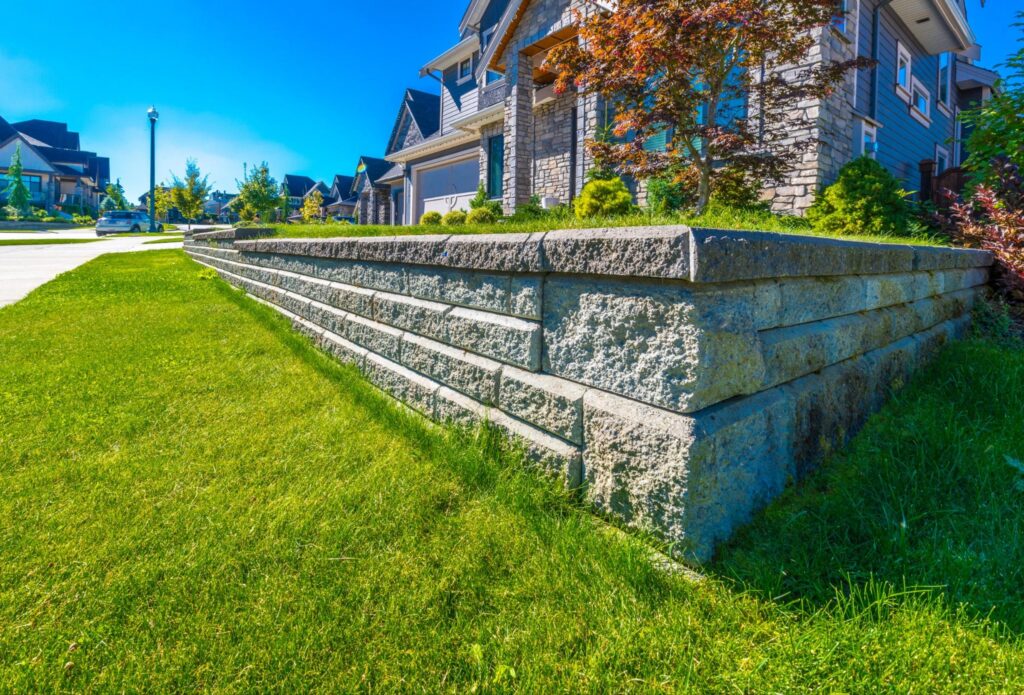
Most homeowners don’t ask about retaining wall cost because they’re ready to build tomorrow. They ask because they need to know whether they’re looking at a few thousand dollars or something much bigger.
In Dallas–Fort Worth, most professionally built residential retaining walls cost $3,300 to $9,000. Per linear foot, prices run from about $45 for a short block or crosstie wall to $285 or more for a tall natural stone wall. Where your project lands depends on the material, the wall’s height and length, drainage, North Texas clay soil and how easy your site is to reach.
This guide covers typical prices, what drives them, when you’ll need a permit or an engineer, and what to look for in a quote. If you’re still choosing between wall types, our retaining wall services page explains the options in detail.
Average Retaining Wall Cost in Dallas–Fort Worth
Angi’s Dallas data puts the average retaining wall project at about $6,112, with most homeowners paying between $3,343 and $9,001. Larger, taller or engineered walls can cost well beyond that.
Most contractors also have a project minimum, commonly $1,500 to $3,000. Even a very short wall rarely comes in below that range.
Cost Per Linear Foot by Material
Price per linear foot depends heavily on height, so the ranges below assume a typical 3-foot wall, professionally installed.
| Material | Cost Per Linear Foot (3-ft wall) |
|---|---|
| Crosstie (railroad tie) | $45–$90 |
| Concrete block | $45–$120 |
| Boulder | $75–$150 |
| Brick | $90–$180 |
| Natural stone | $60–$285 |
| Poured concrete | $60–$135 |
These are 2026 estimates based on national per-square-foot pricing, converted to a 3-foot wall. The ranges are wide because the material you choose matters so much. Natural stone runs from affordable fieldstone to premium cut stone, which is why its range is widest. For custom stone and brick options, see our stone work and brick work pages.
What Real Projects Might Cost
Here are three example projects, calculated from typical per-square-foot pricing:
- 40-ft concrete block wall, 3 ft tall: about $1,800–$4,800
- 60-ft natural stone wall, 3 ft tall: about $3,600–$17,100
- 50-ft engineered wall, 5 ft tall: roughly $5,000–$11,250 or more before engineering and permit fees
The final number depends on what’s happening below ground as much as what you see above it.
What Has the Biggest Impact on Retaining Wall Cost?
Every site is different, but contractors look at the same six factors when they build an estimate.
1. Material Choice
Material sets the starting point. Concrete block is one of the most popular choices because it balances cost, durability and a clean look. Crosstie walls are usually cheaper up front. Natural stone and brick look premium, but they cost more and take more skilled labor to install.
Boulder walls need heavy equipment to place, and they take up more space than a block wall of the same height. Poured concrete adds forms, steel reinforcement and curing time.
2. Wall Height
Height has more effect on price than anything else. A 2-foot garden border and a 4-foot wall holding back a sloped yard are very different projects.
Taller walls face much more pressure from the soil behind them. They need deeper footings, more backfill, better drainage and often reinforcement. That’s why cost can rise faster than height: doubling the height usually more than doubles the structural work.
3. Linear Footage
A longer wall needs more materials and labor, so the total goes up with length. The price per foot, though, often drops on longer walls, because mobilization, setup and equipment costs are spread across more footage.
4. Drainage Requirements
Drainage isn’t an upgrade. It’s one of the most important parts of the wall.
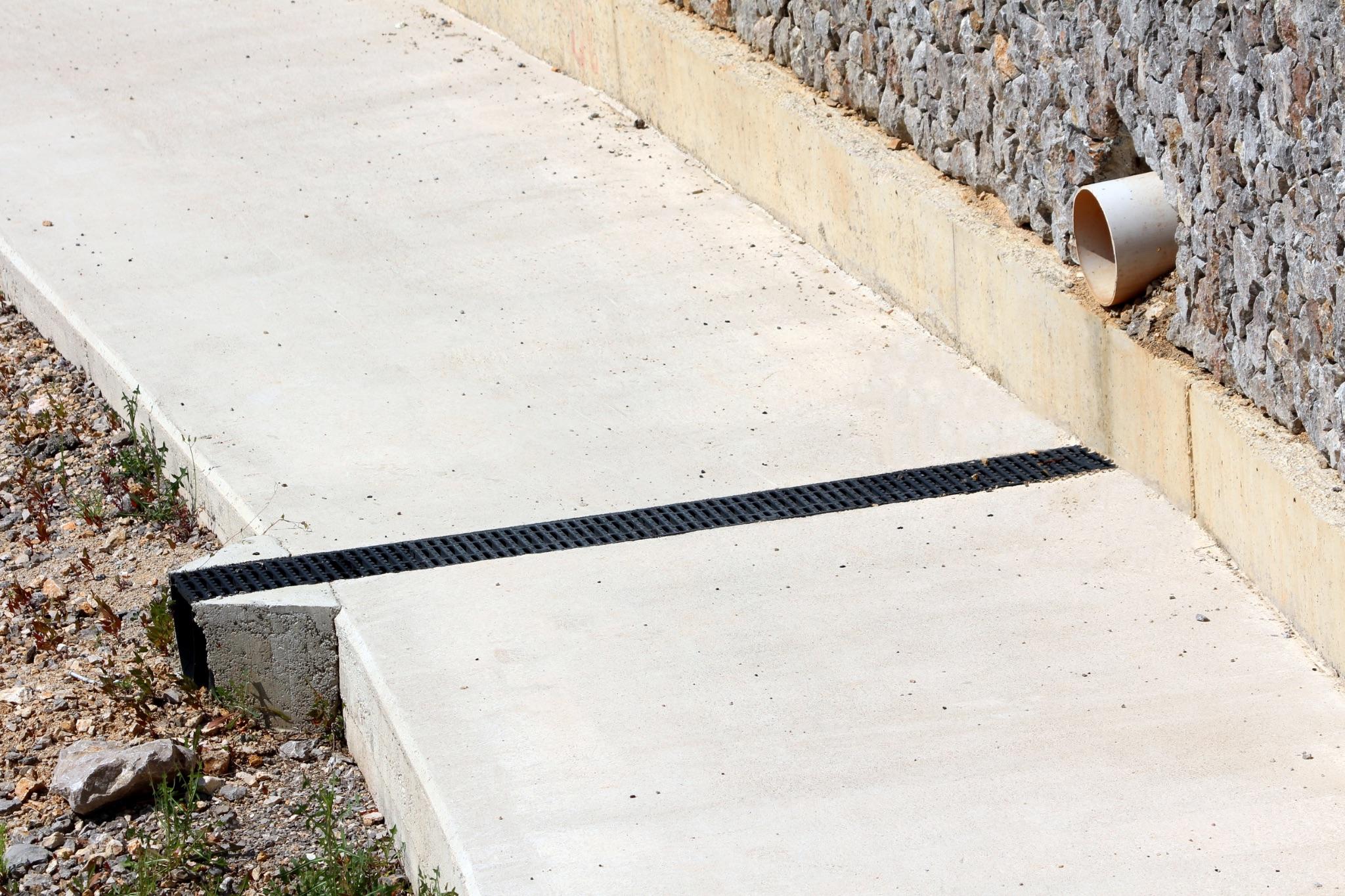
Water that collects behind a retaining wall builds up pressure (hydrostatic pressure). That pressure can make the wall crack, lean or fail. Proper drainage usually means gravel backfill, a perforated drain pipe at the base and an outlet that carries water away.
Sloped lots and yards that already have runoff problems may need extra drainage work. A bid that leaves out drainage can look cheaper up front, but it’s the most common reason walls fail early.
5. Soil Conditions in North Texas
Soil is where Dallas–Fort Worth really stands apart.
Much of North Texas sits on expansive clay soil. It swells when it’s wet and shrinks when it dries out. Through wet springs and hot, dry summers, that constant movement puts extra pressure on a retaining wall and on the ground supporting it.
To handle it, a contractor may need to:
- dig deeper
- build a stronger compacted base
- replace clay behind the wall with free-draining gravel backfill
- add more drainage
- on taller block walls, add geogrid reinforcement: layers of mesh buried in the backfill that tie the wall into the soil
Every one of those steps adds cost, and every one is why a site visit comes before a firm price.
6. Site Access
When equipment can drive right up to the work area, installation moves faster. When crews have to carry materials through a narrow side gate, work around mature landscaping or build on a steep slope, the job takes longer and needs more labor.
That’s how two walls with the same dimensions can end up with very different prices.
How Wall Height Changes the Price
The table below shows how height affects the per-linear-foot price, using concrete block as the example.
| Wall Height | Block Wall Cost Per Linear Foot | What Usually Changes |
|---|---|---|
| 2 ft | $30–$80 | Simple base, basic drainage |
| 3 ft | $45–$120 | Deeper base, full drainage system |
| 4 ft | $60–$160 | Close to the permit threshold, possibly reinforcement |
| Over 4 ft | Priced per project | Permit, engineered design, inspections |
Past about 4 feet, you’re usually paying for engineering, permits and inspections as well as more material. That’s the biggest jump in cost on most projects.
Commercial Retaining Wall Costs
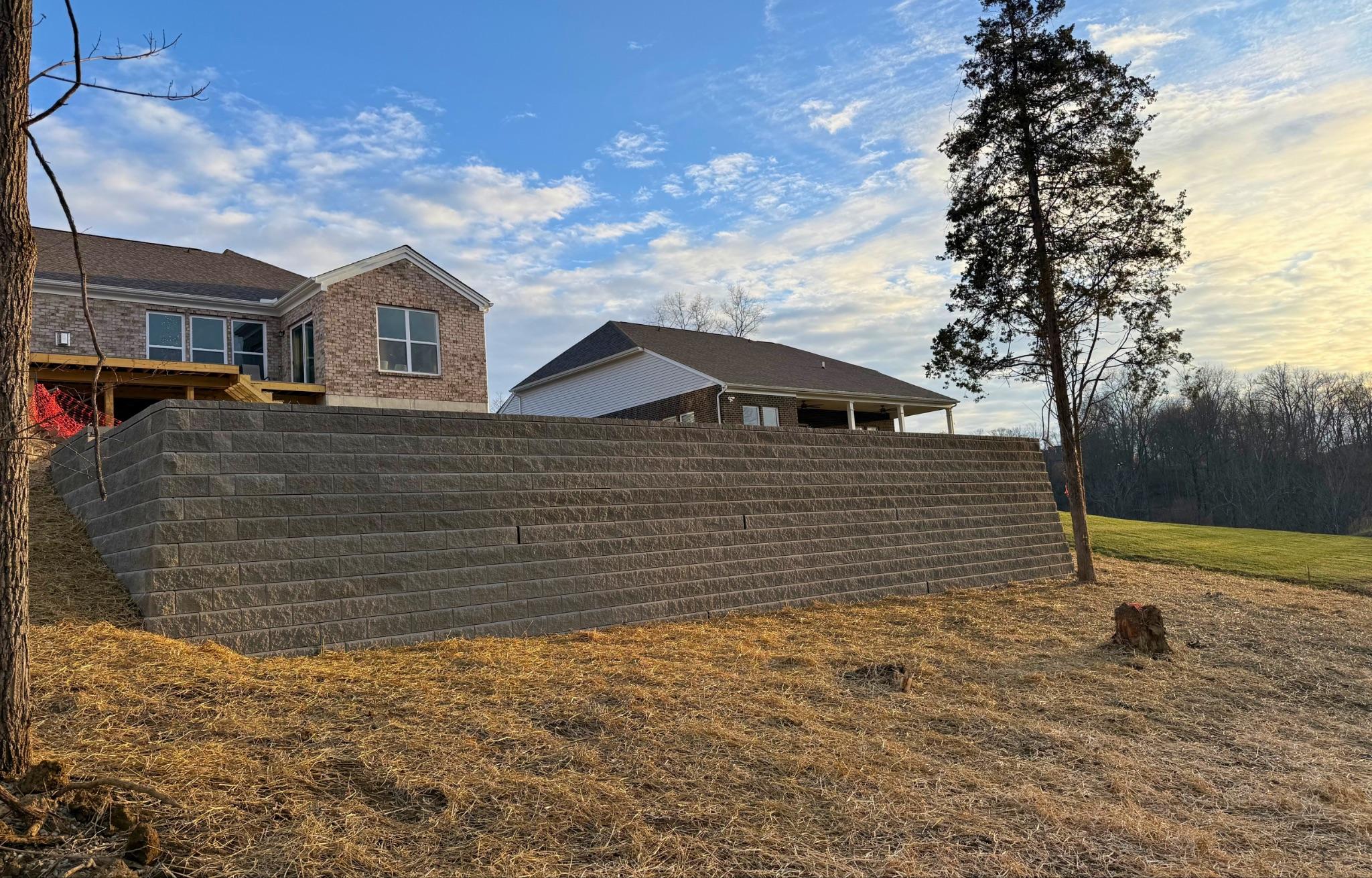
Commercial retaining walls follow the same basic rules, just at a larger scale. On retail sites, multifamily developments, parking areas and utility sites, walls are almost always:
- built from engineered plans
- permitted and inspected
- designed to carry loads such as vehicles or structures above them
Commercial walls are often priced per square foot of wall face, and the total depends on the engineering, site work and schedule.
Dayd works with property owners, general contractors and builders on commercial and new-construction masonry across North Texas. See our commercial masonry services or learn how we work with builders.
Do You Need a Permit for a Retaining Wall in Texas?
Texas doesn’t have a statewide retaining wall permit. Each city sets its own rules. In Dallas–Fort Worth’s two largest cities, the thresholds are clear:
- Dallas: A permit is required for retaining walls more than 4 feet tall, measured from the bottom of the footing to the top of the wall. Walls of any height that support a surcharge, such as a driveway, a slope or a structure above them, also need a permit. (City of Dallas)
- Fort Worth: A permit is required for retaining walls greater than 4 feet tall, measured from the bottom of the footing to the top of the wall. (City of Fort Worth)
That measurement matters. The footing sits below ground, so a wall that stands 3½ feet above grade can still cross the 4-foot threshold.
Suburbs such as Southlake, Keller, Arlington and Frisco set their own requirements, so check with your city’s building department before work begins. If you live in a subdivision, you may also need HOA approval. Walls near property lines, utilities or drainage easements can require extra sign-offs too.
A reputable contractor will help you figure out what’s required before breaking ground.
Hidden Costs Homeowners Often Miss
The wall itself isn’t always the whole bill. Your estimate may also include:
- Excavation and grading
- Removing and hauling away an old wall
- Drainage pipe, gravel backfill and outlets
- Geogrid or steel reinforcement
- Engineering and permit fees
- HOA review
- Restoring landscaping or irrigation after construction
These items can move the final cost a lot, especially on older properties where an existing wall has already failed.
How to Get an Accurate Retaining Wall Estimate
Online price ranges are useful for planning, but no contractor can give you an accurate price without seeing the site. A good estimate should spell out:
- Wall length and height (including the footing)
- Material selection
- Drainage plan
- Soil conditions and base preparation
- Site access
- Permit, HOA and engineering requirements
- Removal of any existing wall
Be cautious with a bid that doesn’t mention drainage or base preparation. Those are the items that decide how long the wall lasts.
FAQs
What’s the cheapest retaining wall material?
Crosstie and concrete block walls are usually the most affordable, at roughly $45–$120 per linear foot for a 3-foot wall. The cheapest material isn’t always the best fit, though. Height, soil, drainage, appearance and lifespan all matter.
Why does clay soil increase retaining wall costs in North Texas?
Expansive clay swells when it’s wet and shrinks when it’s dry, which puts extra pressure on the wall and the ground under it. Contractors often need deeper excavation, better base preparation, gravel backfill, drainage and sometimes reinforcement, and all of these add cost.
Do I need a permit for a retaining wall in Dallas or Fort Worth?
In both cities, you need a permit for walls over 4 feet tall, measured from the bottom of the footing to the top of the wall. Dallas also requires one for walls of any height that support a surcharge, such as a driveway or slope. Other North Texas cities set their own rules.
Do I need HOA approval for a retaining wall?
Often, yes. Many DFW subdivisions require HOA approval for visible exterior projects, including retaining walls. Check your HOA’s guidelines before scheduling work so that approval doesn’t hold up the project.
Can drainage really affect the price that much?
Yes. A proper drainage system (gravel backfill, a perforated pipe and an outlet) adds to the initial cost, but it’s what keeps water pressure from building behind the wall. Skipping it is the most common reason retaining walls lean, crack or fail early.
Get a Retaining Wall Estimate for Your Property
Every retaining wall comes down to the details: your soil, your slope, your drainage and how tall the wall needs to be. The fastest way to get a real number is to have someone look at the site.
Dayd Masonry builds residential, custom and commercial retaining walls across Dallas, Fort Worth and North Texas. Get a free consultation and estimate, and we’ll help you plan a wall that fits your property and your budget.
Thinking about a masonry project?
Get a free consultation and estimate across Dallas, Fort Worth, Arlington and North Texas.