
Brick Staining vs. Painting: Cost, Durability & Look
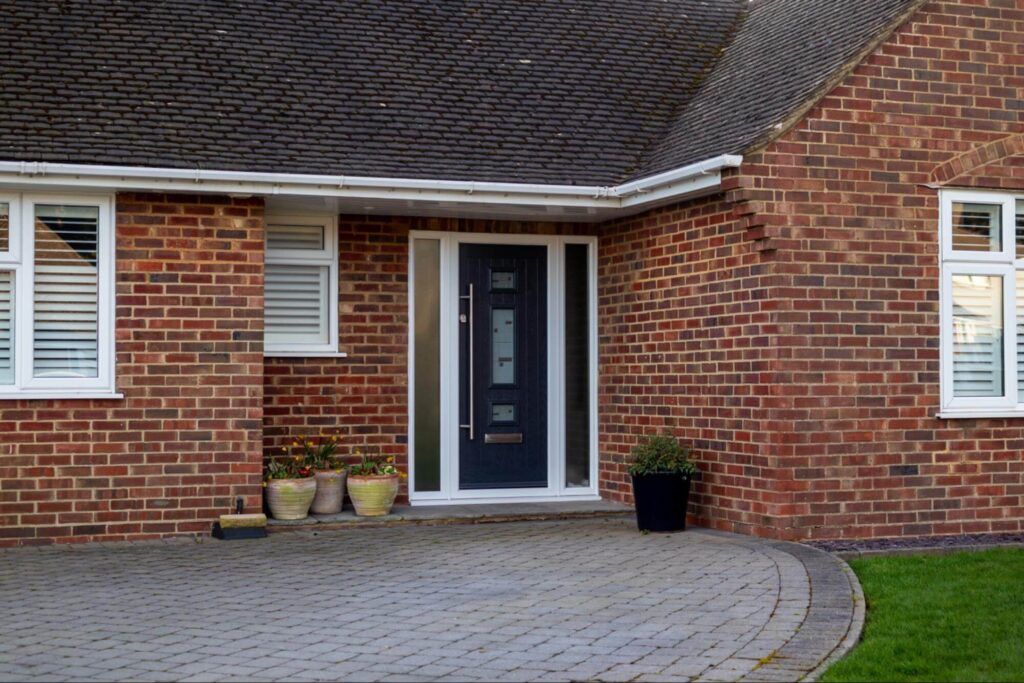
Changing the color of brick can transform the look of a home. But choosing between brick staining and painting isn’t as simple as picking a color you like.
The short answer: brick stain soaks into the brick, keeps its natural texture, and typically lasts 10–20+ years without peeling. Paint forms a coating on the surface, gives you a solid, uniform color, and, with standard acrylic paint, usually needs redoing every 3–5 years. Both cost about the same per square foot up front.
This guide compares brick staining vs. painting on cost, durability, maintenance, moisture, and appearance, so you can choose the right finish for your home.
In this guide:
- Brick Staining vs. Painting at a Glance
- What’s the Difference Between Brick Stain and Paint?
- How Brick Staining Works
- How Painting Brick Works
- Which Lasts Longer, Brick Stain or Paint?
- Brick Staining vs. Painting Cost
- What About Maintenance?
- What Happens When Brick Gets Wet?
- Can You Stain Painted Brick?
- When Is Painting the Better Choice?
- When Is Brick Staining the Better Choice?
- Test the Color Before You Commit
- Which Option Is Easier to Reverse?
- FAQs
- Get Professional Brick Staining in Dallas–Fort Worth
Brick Staining vs. Painting at a Glance
| Brick Stain | Paint | |
|---|---|---|
| How it works | Soaks into the brick | Forms a coating on the surface |
| Look | Changes color; texture and variation stay visible | Solid, uniform color; hides most brick character |
| Cost (professional) | $1–$4 per sq ft | $1.50–$4.50 per sq ft |
| Typical lifespan | 10–20+ years | 3–5 years (acrylic latex); 20+ years (mineral paint) |
| Peeling risk | Low: fades gradually instead of peeling | Higher, especially if moisture gets trapped |
| Breathability | Lets moisture escape | Depends on the paint; many trap moisture |
| Maintenance | Low | Touch-ups, scraping and repainting over time |
| Reversibility | Long-term color change | Can be stripped, but that’s difficult and can damage the brick |
What’s the Difference Between Brick Stain and Paint?
The biggest difference is how each product interacts with the brick.
Brick stain soaks into the masonry and changes its color from within. Because it doesn’t cover the surface, the brick’s texture and natural color variation stay visible.
Paint sits on top of the brick and forms a coating. It gives the wall a consistent color, but it hides most of the original texture and variation.
That one difference drives everything else: how each finish handles moisture and weather, how it ages, and how hard it is to change later.
How Brick Staining Works
Brick is porous. A masonry stain soaks into that porous surface and becomes part of the brick instead of forming a layer on top of it.
That’s why stain is a good fit when you want a new color without the brick looking covered up. An older red brick exterior, for example, can be stained a deeper brown, charcoal, or a softer neutral while still showing its natural variation.
Because there’s no surface coating, stain doesn’t peel or flake. As it ages, it fades gradually instead of chipping.
Brick staining is one of Dayd Masonry’s specialties. Dayd describes it as durable, customizable, low-maintenance, and eco-friendly, and as a way to revitalize a property’s exterior without covering the brick.
How Painting Brick Works
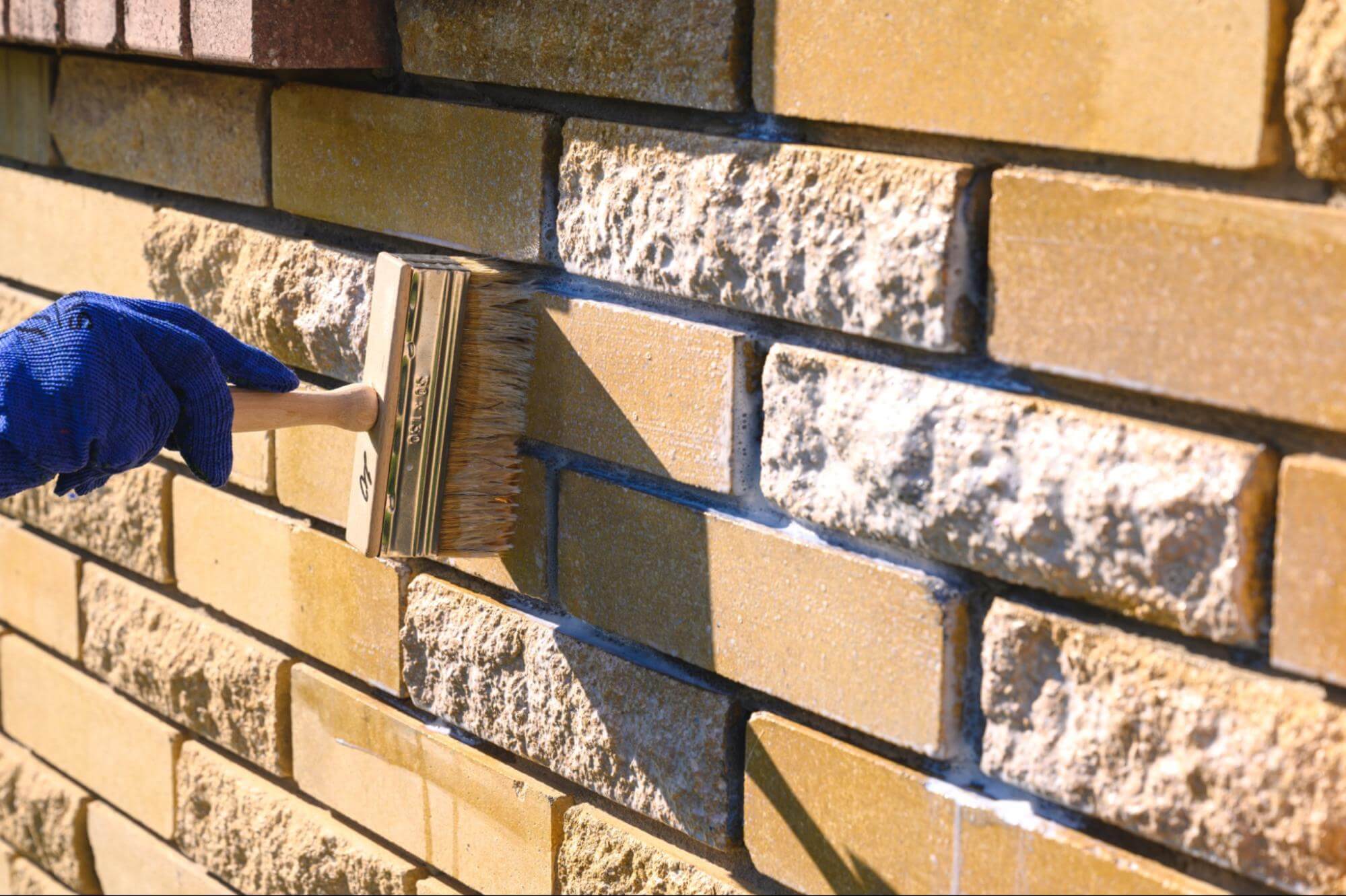
Painting brick is more familiar. The paint coats the surface and creates a new layer over the existing brick.
That works well when you want a very specific color or a perfectly uniform look. A solid white painted brick exterior, for example, is hard to get with stain, because stain lets some of the original brick color show through.
The trade-off is that paint hides most of the brick’s texture and variation. It also depends on good surface preparation. If moisture gets behind the coating, it can cause blistering, flaking or peeling over time.
Not All Paint Is the Same
“Paint” covers a wide range of products, and they perform very differently on brick:
- Acrylic latex paint: the most common choice. It usually lasts about 3–5 years on exterior brick.
- Limewash: a soft, chalky, partly see-through finish. It usually needs reapplying every 5–7 years as it fades.
- Mineral (silicate) masonry paint: bonds with the brick and lets it breathe. It can last 20+ years.
The type of paint matters as much as the decision to paint at all.
Which Lasts Longer, Brick Stain or Paint?
For most homes, brick stain lasts longer than standard paint.
- Brick stain: 10–20+ years, depending on climate, product quality, and the condition of the brick
- Acrylic latex paint: about 3–5 years before it needs repainting
- Mineral masonry paint: 20+ years
Stain lasts because there’s no surface coating to break down. Standard paint, on the other hand, eventually needs scraping, prep, and a new coat, especially on walls in full sun.
That matters in North Texas. Intense summer sun and heat break down exterior coatings faster, and any finish on a south- or west-facing wall will fade sooner than on a shaded one.
Brick Staining vs. Painting Cost
Up front, the two cost about the same per square foot:
| Project | Brick Staining | Painting Brick |
|---|---|---|
| Per square foot | $1–$4 | $1.50–$4.50 |
| Whole-house exterior | $1,200–$6,800 | $2,000–$8,000 |
| Multi-color or custom work | $5–$8 per sq ft | Varies by design |
The bigger cost difference shows up over time. A stained exterior that lasts 15 years with little upkeep can cost far less in the long run than a painted one that needs repainting every few years.
What you actually pay depends on:
- the size and height of the home
- the condition of the brick
- how much cleaning and preparation it needs
- access
- the product you choose
- local labor rates
What About Maintenance?
Painted brick needs more upkeep as it ages. When sections peel or get damaged, they have to be scraped, prepped, and repainted, and spot repairs can be hard to blend in.
Stained brick is simpler to maintain because there’s no coating to peel. That doesn’t mean it never needs attention. Fading, weather exposure, and underlying masonry problems can still affect how it looks.
With either finish, fix the brick first. Cracked brick or failing mortar should be repaired before any finish goes on. Otherwise, you’re coloring over a problem.
What Happens When Brick Gets Wet?
Moisture is the main reason to think carefully before painting brick.
Brick and mortar naturally absorb and release moisture. Many paints form a coating that slows that release. If water gets into the wall through cracks, damaged joints or leaks, it can get trapped behind the paint and cause peeling, blistering or deterioration of the masonry itself.
A breathable masonry stain works differently. Because it soaks into the brick instead of sealing the surface, moisture can still evaporate.
Stain doesn’t fix water problems, though. If a wall has a leak or drainage issue, fix the source before applying any finish.

Can You Stain Painted Brick?
Generally, not directly. Stain needs bare, porous brick to soak into, and paint blocks it. Previously painted brick usually has to be stripped first.
Stripping paint from brick can be slow and expensive, and harsh methods can damage the brick’s surface. If your brick is already painted, have it assessed before deciding which way to go.
When Is Painting the Better Choice?
Painting can make more sense when:
- You want a solid, completely uniform color, such as crisp white.
- You want to completely hide the existing brick color.
- The brick has already been painted, and stripping it isn’t practical.
- You’re choosing a breathable mineral paint built for masonry.
Have a professional confirm the wall is a good candidate first. Not every brick surface should be painted.
When Is Brick Staining the Better Choice?
Staining is usually the better fit when you like the character of brick but want a different color. It works well if you want to:
- Darken, lighten or update the existing brick color
- Keep the brick’s natural texture and variation visible
- Avoid a thick, painted look
- Avoid peeling and repainting
- Blend mismatched brick from past repairs or additions
That last point is common in older homes, where new brick from an addition or repair never quite matched the original. Brick staining can bring the two closer together.
Test the Color Before You Commit
A color that looks right on a sample card can look very different across a whole wall. The original brick color, mortar color, sunlight, surrounding materials and how porous the brick is all affect the final result.
- Start with two or three color options.
- Test each on a small, less visible area.
- Let the test patches dry fully.
- View them at different times of day, since morning and afternoon light can change how a color reads.
Testing matters even more with stain, because the final shade partly depends on the brick underneath.
Which Option Is Easier to Reverse?
Neither one is easy to undo.
- Paint can sometimes be stripped, but it’s labor-intensive, and aggressive methods can damage the brick.
- Stain is a long-term color change. Because it soaks into the brick, you can’t wash it off and return to the original color.
That’s one more reason to test a patch before committing to either finish.

FAQs
Is staining brick better than painting it?
For most homes, staining is the lower-maintenance, longer-lasting option. It keeps the brick’s natural texture, lets moisture escape and doesn’t peel. Painting is the better choice when you want a solid, uniform color that stain can’t achieve.
How long does brick stain last?
A quality brick stain typically lasts 10–20+ years, depending on climate, the product and the condition of the brick. It fades gradually instead of chipping or peeling.
How much does brick staining cost?
Professional brick staining typically costs $1–$4 per square foot, or about $1,200–$6,800 for a whole-house exterior. Custom or multi-color staining can cost $5–$8 per square foot.
Does brick stain peel?
No. Brick stain soaks into the brick instead of forming a surface coating, so it doesn’t peel the way paint can. Poor prep or unsuitable conditions can still affect the result, so proper application matters.
Is painting brick bad for it?
Not automatically. The main risk is moisture: some paints trap water in the brick, which can lead to peeling and damage. Breathable mineral masonry paints reduce that risk. Have the wall assessed before painting.
Is brick staining permanent?
Brick stain is a long-term color change. Because it soaks into the brick, getting back to the original color is difficult, so test a patch first.
Get Professional Brick Staining in Dallas–Fort Worth
Brick staining can give older, faded or mismatched brick a new look without covering its texture. The final color depends on your existing brick, mortar and surface condition, so a test patch and an experienced crew make all the difference.
Dayd Masonry provides brick staining and concrete staining across Dallas, Fort Worth and North Texas. Concrete staining can give patios, walkways and other concrete anything from a subtle, translucent tone to a bold, opaque color. Dayd’s residential masonry services cover the brick repairs that should come before any new finish.
Get a free consultation or call (817) 713-0046.
Thinking about a masonry project?
Get a free consultation and estimate across Dallas, Fort Worth, Arlington and North Texas.